The C-Lock Symposium brings scientists, innovators, and industry partners together to shape the future of livestock sustainability. Participants will explore new findings from GreenFeed systems, exchange ideas, and build collaborations that drive meaningful progress in emissions research.
The symposium will aim to identify key gas emission phenotypes for standardized evaluation, creating shared baselines that improve consistency and comparability across GreenFeed studies.
Work toward developing standardized procedures and analytical methods for emissions phenotyping in beef cattle. Establishing consistent data collection and analysis frameworks will improve study reliability and comparability.
Through coordinated partnerships and shared expertise, the symposium will advance research on emerging emissions phenotypes, supporting their integration into beef cattle genetic improvement programs.
The C-Lock Symposium will unite top university and industry experts who utilize GreenFeed systems to measure greenhouse gas emissions in beef cattle. This collaborative event aims to showcase cutting-edge research within the C-Lock network, fostering open discussion, data sharing, and cross-institutional partnerships. By connecting researchers and aligning methodologies, the symposium seeks to accelerate progress in understanding the genetic and environmental drivers of emissions and enhance strategies for sustainable, low-carbon beef production.
Join leading researchers, industry experts, and producers to help shape the future of low-emission beef production. This event is designed to connect minds, share data, and drive progress in understanding and standardizing emissions phenotyping for cattle genetics for the industry’s leading experts..
By attending, you’ll gain insight into cutting-edge research, participate in discussions that define industry standards, and build valuable collaborations that move sustainable beef production forward.
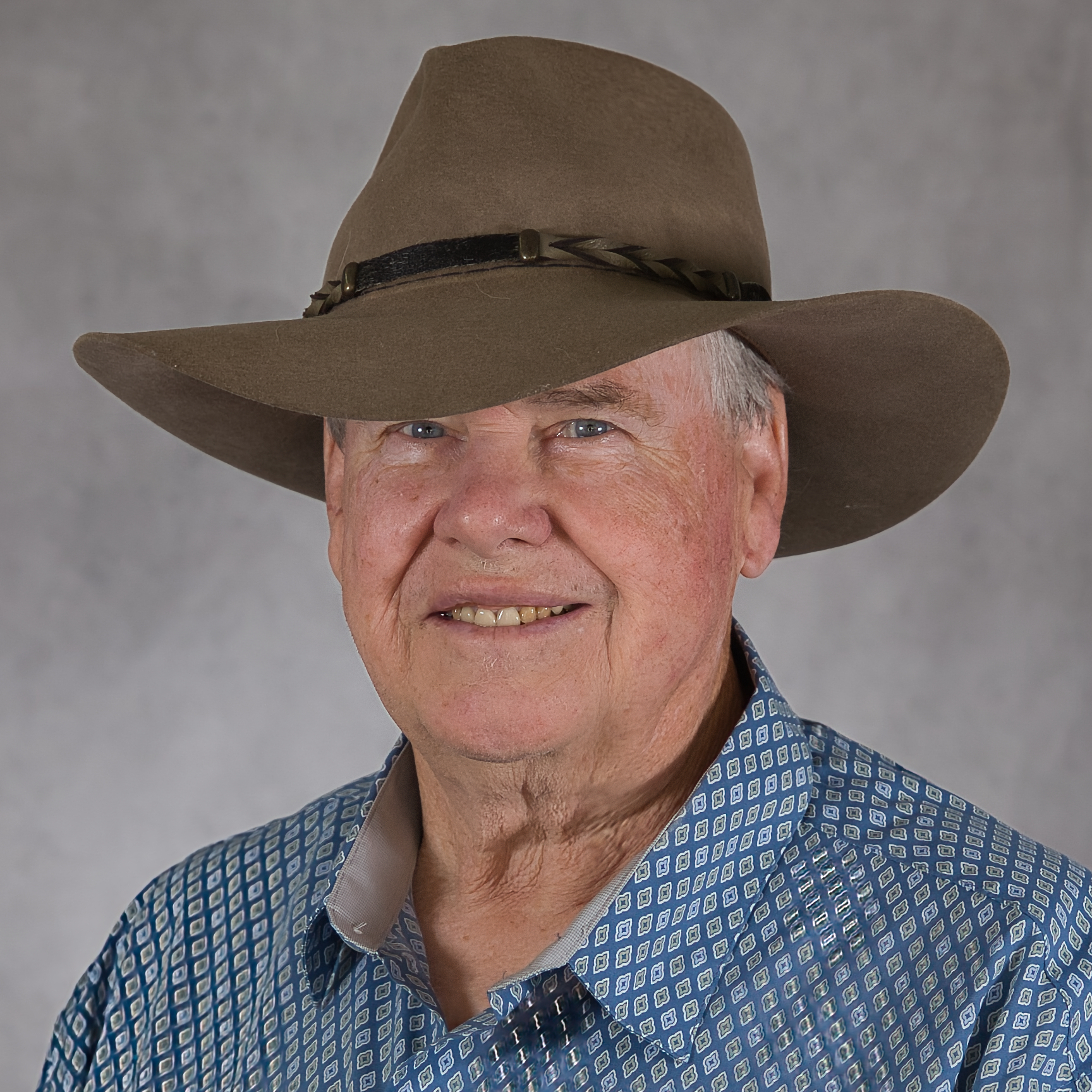
Dr. John Pollak received his bachelor’s degree in animal science from Cornell University and his master’s and doctoral degrees in animal breeding from Iowa State University. He joined the faculty at the University of California at Davis working as a beef cattle geneticist before moving to Cornell University. At Cornell he and his colleague, Dr. Richard Quaas worked on methodology for beef cattle genetic evaluation working with the American Simmental Association to produce EPD’s for Simmental Cattle. Dr. Pollak was director of the National Beef Cattle Evaluation Consortium (NBCEC) from 2003 to 2010. In 2010 he retired from Cornell and assumed the role of Director of the US Meat Animal Research Center in Clay Center, Nebraska. He held this position till retiring in May of 2017. He then spent three years helping develop the Integrated Beef Systems Initiative at the University of Nebraska, Lincoln.
Among the awards received for his contributions to the field of Animal Breeding and to the industry are the Pioneer and Continuing Service Award from the Beef Improvement Federation, the Rockefeller Prentice Memorial Award in Animal Breeding and Genetics from the American Society of Animal Science, Educator of the Year Award and Presidents Award from the New York Beef Producers Association and the Industry Service Award from the Nebraska Cattlemen. In 2013, Drs. Pollak and Quaas were selected by BEEF magazine to be among the 50 most influential people in the beef industry during the last 50 years based on their research into the development and implementation of expected progeny differences (EPDs).
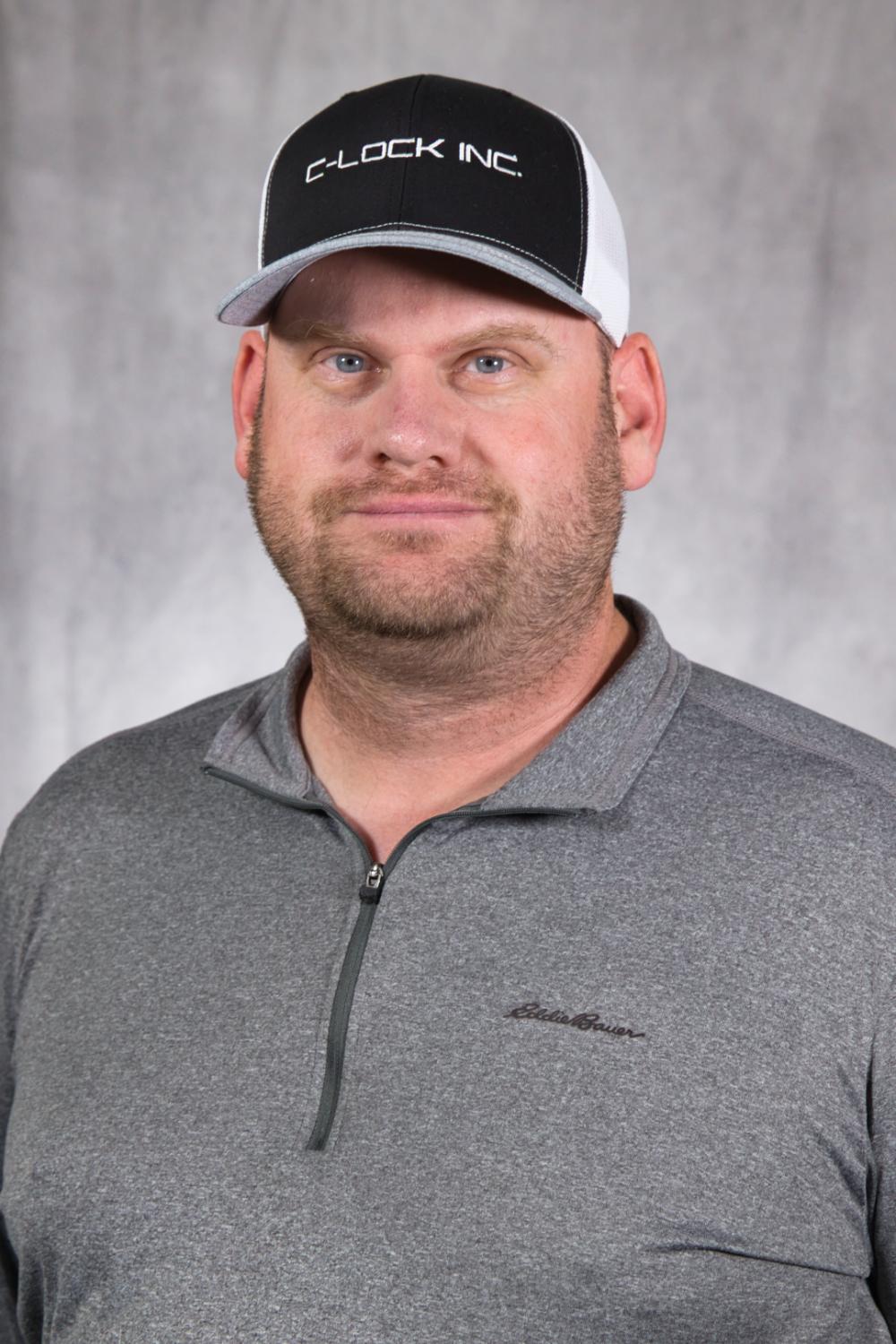
Scott Zimmerman is the President of C-Lock Inc. He has many years of experience in numerical modeling and managing large databases, with a strong background in analytical measurements. He holds a bachelor’s degree in civil engineering from Washington State University and a master’s degree in water resource engineering and hydraulics from the University of Iowa.
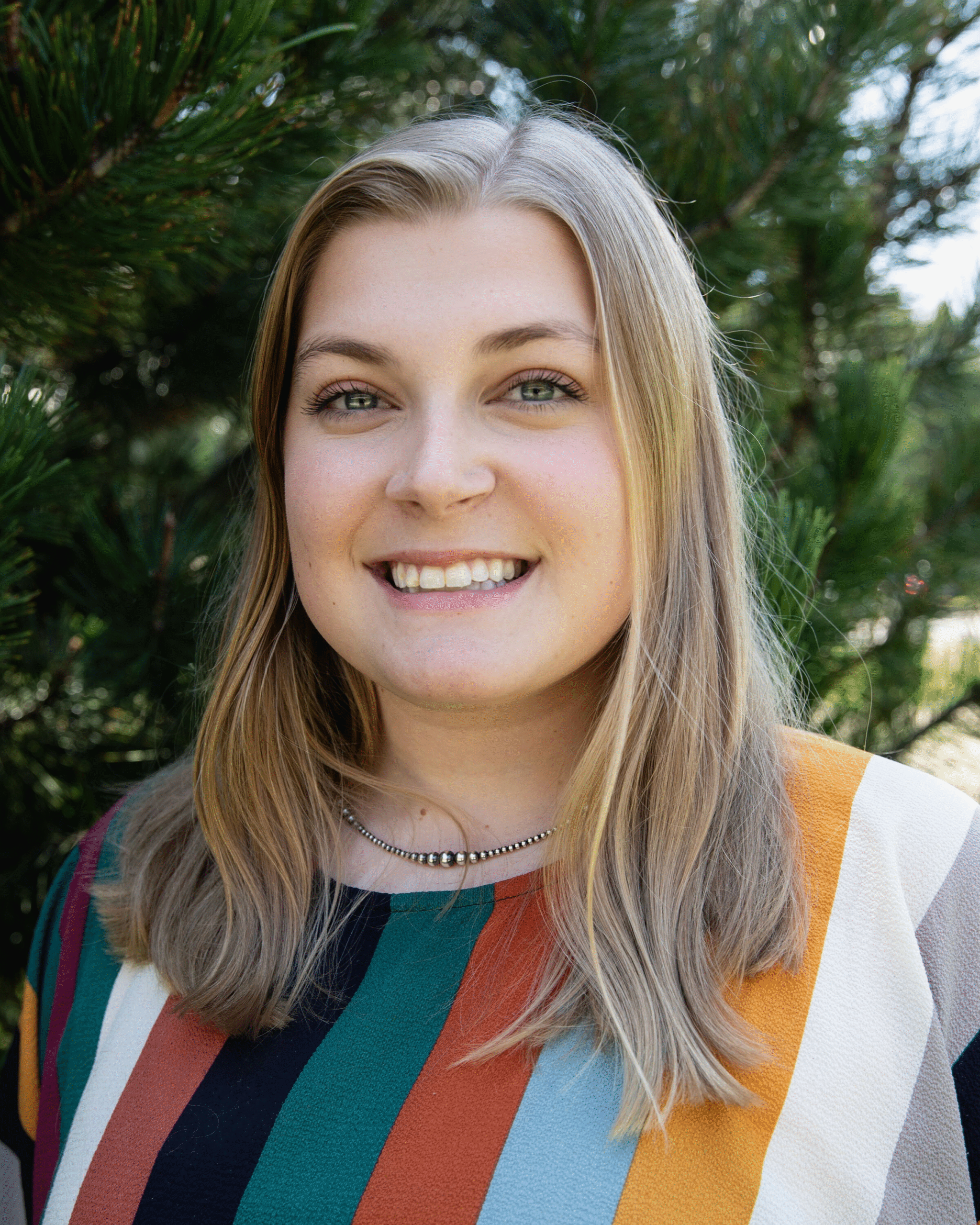
Caleigh Iwanski is a second year Master’s student working with Dr. Megan Rolf at Kansas State University. Originally from north-central Kansas, she grew up immersed in her parents’ veterinary clinic and the family cow-calf operation. She completed her undergraduate studies at the University of Nebraska-Lincoln, earning bachelor’s degrees in Animal Science and Grazing Livestock Systems. Her current research centers on beef cattle sustainability, with remote phenotyping and selection index components.
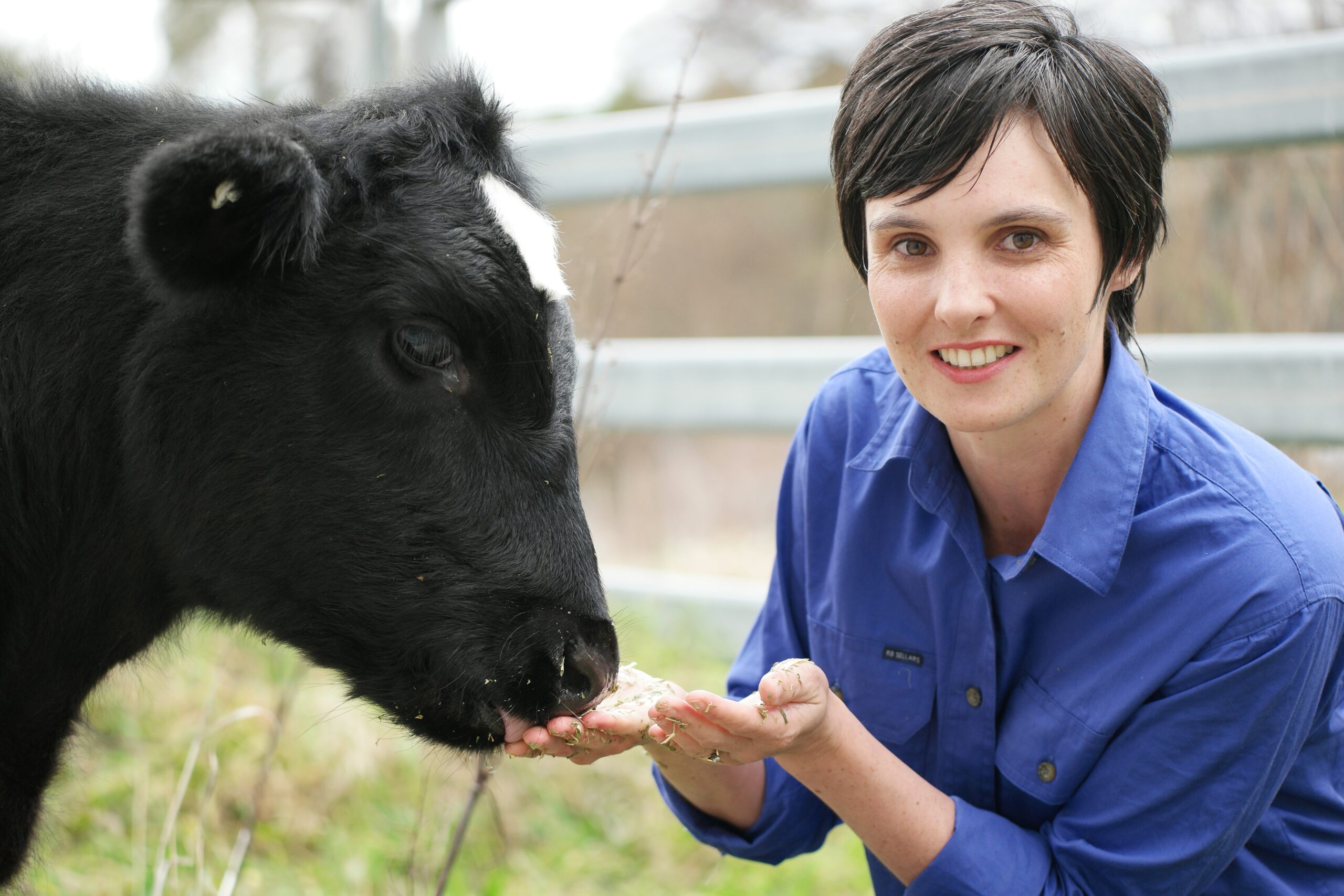
Fran Cowley is a ruminant nutritionist and Professor in Livestock Production at the University of New England, Armidale, Australia, where she leads the UNE Ruminant Research Group. Her research interests range from the systems level of livestock production down to the metabolic level, studying the actions and interactions of nutrients with ruminant physiology. She has conducted research on sheep, dairy and beef cattle, in grazing and grain-fed systems. The main focus for her research is nutritional solutions to methane emissions and carbon footprints of cattle and sheep, utilising the world’s largest methane research facility at UNE. Her team is the first to publish research from three different methane inhibiting feed additives, showing ability to reduce methane emissions by more than 90%. They have also just remodelled the methodology for predicting the emissions from grain-fed beef in Australia, and this method has now been adopted by the Australian Government for reporting the Australian National Greenhouse Gas Inventory to the UNFCC.
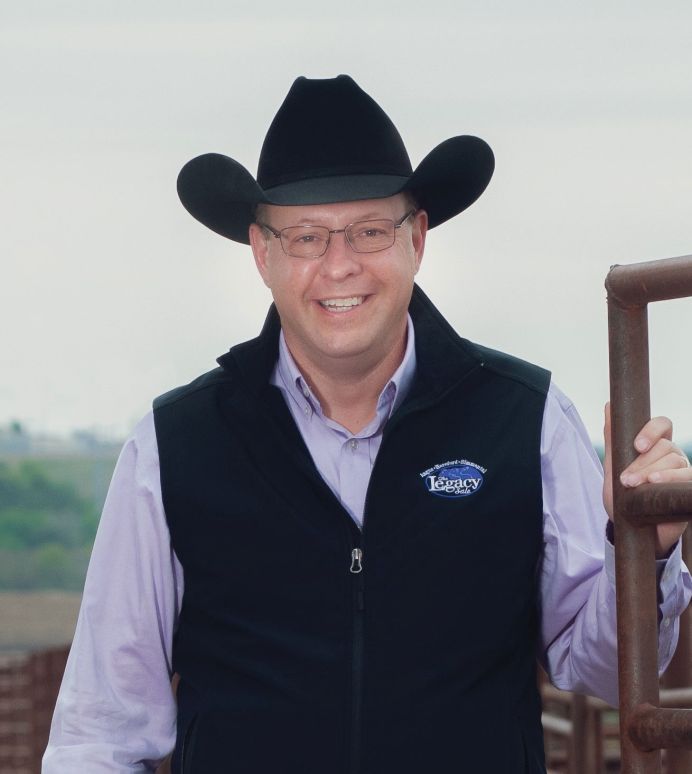
Bob Weaber, Ph.D., currently serves as Professor and Head, Eastern Kansas Research and Extension Centers at Kansas State University. Weaber initially joined the faculty of the Department of Animal Sciences and Industry at Kansas State University in August of 2011 as Cow-Calf Extension Specialist. He served on the faculty management team for K-State’s Beef Cattle Institute and as faculty coordinator of the department’s Purebred Beef Unit. Dr. Weaber serves as the Executive Director of the Beef Improvement Federation.
The focus of his extension and research programs has been to broaden the availability, use and understanding of genetic selection tools as well as performance data collection schemes implemented by cattle producers. Weaber works closely with a number of industry collaborators and genetic evaluation service providers.
Weaber grew up on a cow-calf operation in southern Colorado and has extensive experience in the cow-calf and seedstock sectors. He earned a BS (Animal Science) and Master of Agriculture degree in the Beef Industry Leadership Program at Colorado State University and Ph.D. from Cornell University in the Animal Breeding and Genetics.
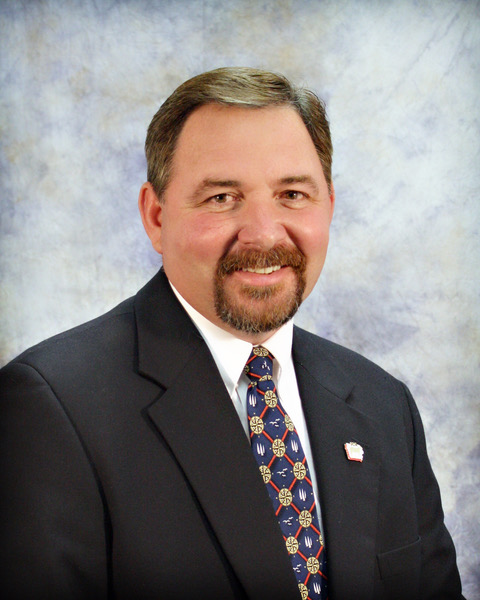
Ross Havens serves as Managing Director of Index Genetics and Marketing Coordinator for Nichols Farms, a leading Beef genetics operation in southwest Iowa. With over three decades of experience in beef production and genetics, Ross has been instrumental in advancing data-driven breeding programs that emphasize feed efficiency, carcass quality, and sustainability. A graduate of Iowa State University with a degree in Animal Science, Ross began his career with IBP and Crestland Cooperative before joining Nichols Farms in 1994, where he helped expand the company’s influence as a trusted source for superior beef genetics. He has played a central role in collaborative genomic research with universities and industry partners, including projects aimed at improving feed efficiency, methane reduction, and disease resistance across generations of cattle.
Ross’s leadership extends beyond Nichols Farms. He has served as Chair of the International Marketing Committee and the Executive Board of the Cattlemen’s Beef Board and as Co-Chair of the U.S. Meat Export Federation’s Beef Committee and Executive Board, where he helped guide strategies to promote U.S. beef in global markets. His past leadership includes service as President of the Iowa Cattlemen’s Association, Board member of the Iowa Beef Industry Council, and President of the Iowa Cattlemen’s Foundation. Deeply committed to his community, Ross has served as Mayor of Wiota, Iowa, participated in his local fire department, and coached youth in 4-H programs. He and his family live in Atlantic, Iowa.
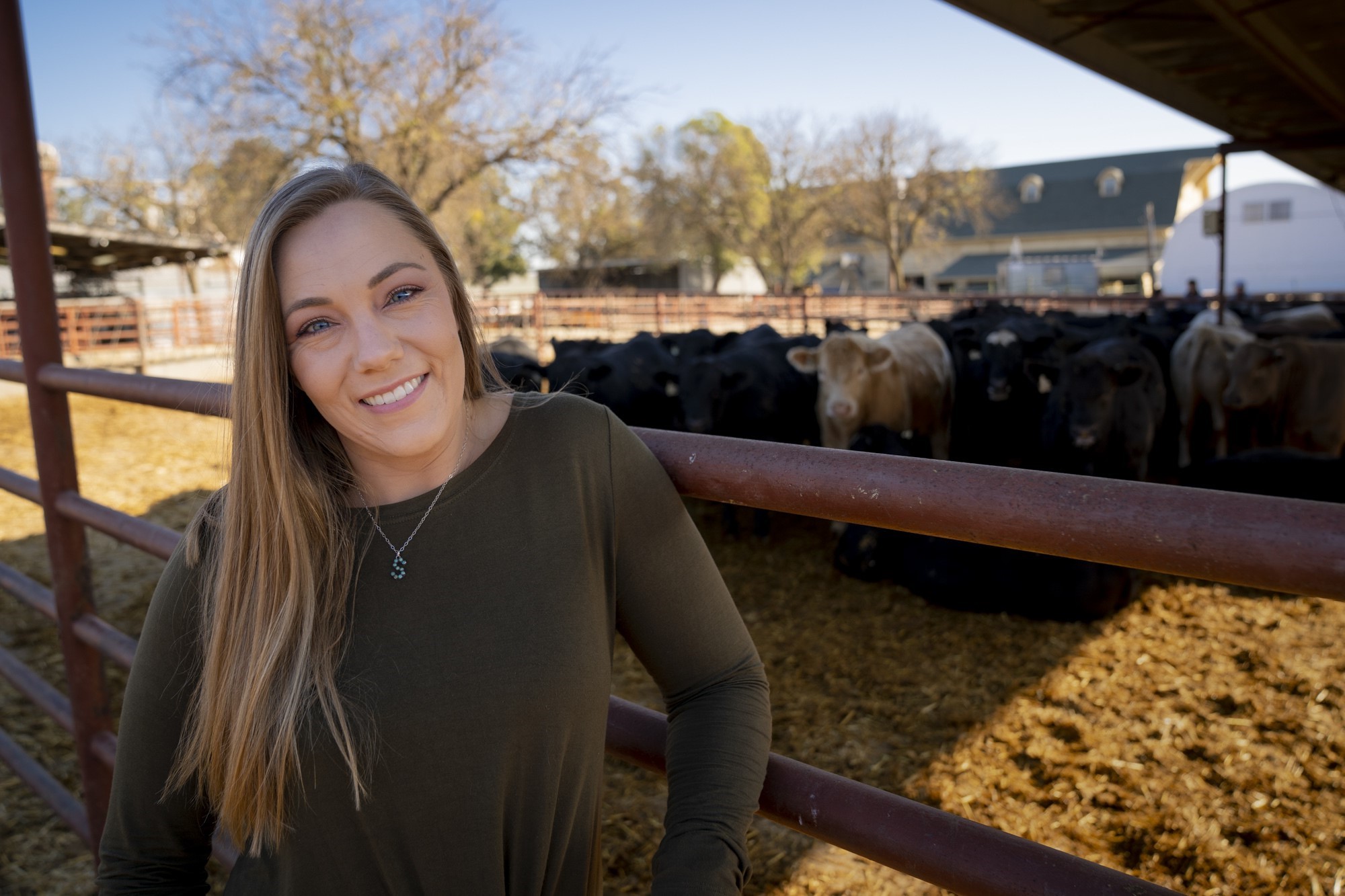
Dr. Samantha Werth serves as Executive Director of the U.S. Roundtable for Sustainable Beef (USRSB). In this role, Sam focuses on building collaborative partnerships to support USRSB’s sustainability initiatives and supporting members on their sustainability efforts. Sam is a native of California, and completed her undergraduate, master’s and doctoral studies at the University of California, Davis. Her graduate studies centered around ruminant nutrition and sustainable beef production. Sam is passionate about leveraging science-based information to support advances in sustainable beef production.
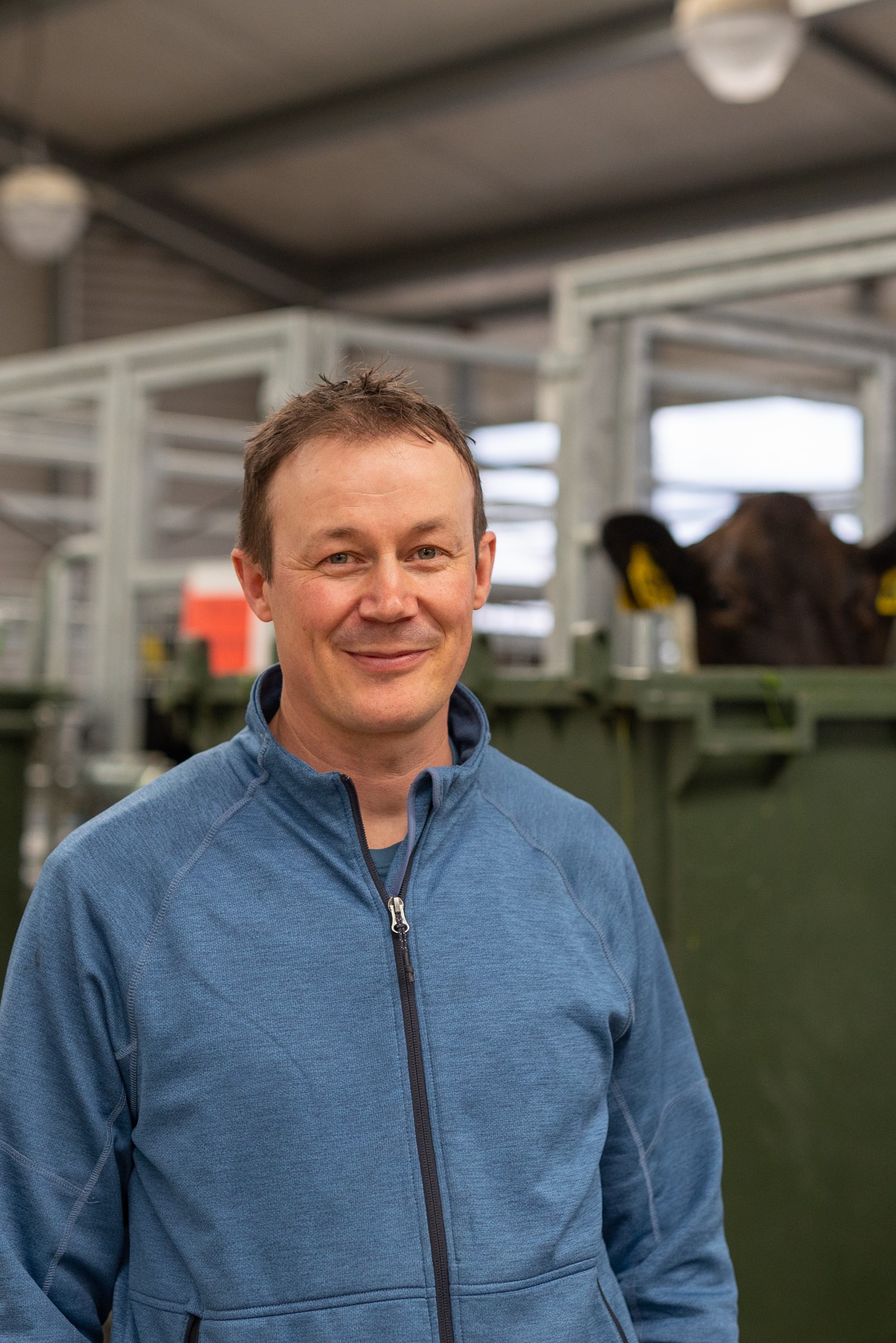
As a senior scientist within the Animal Nutrition and Physiology team, my primary research efforts are directed towards mitigating enteric methane emissions and managing nitrogen excretion by pastoral ruminants. I also explore the potential of using by-products from the food industry in livestock feed to decrease the volume of organic material disposed of in landfills.
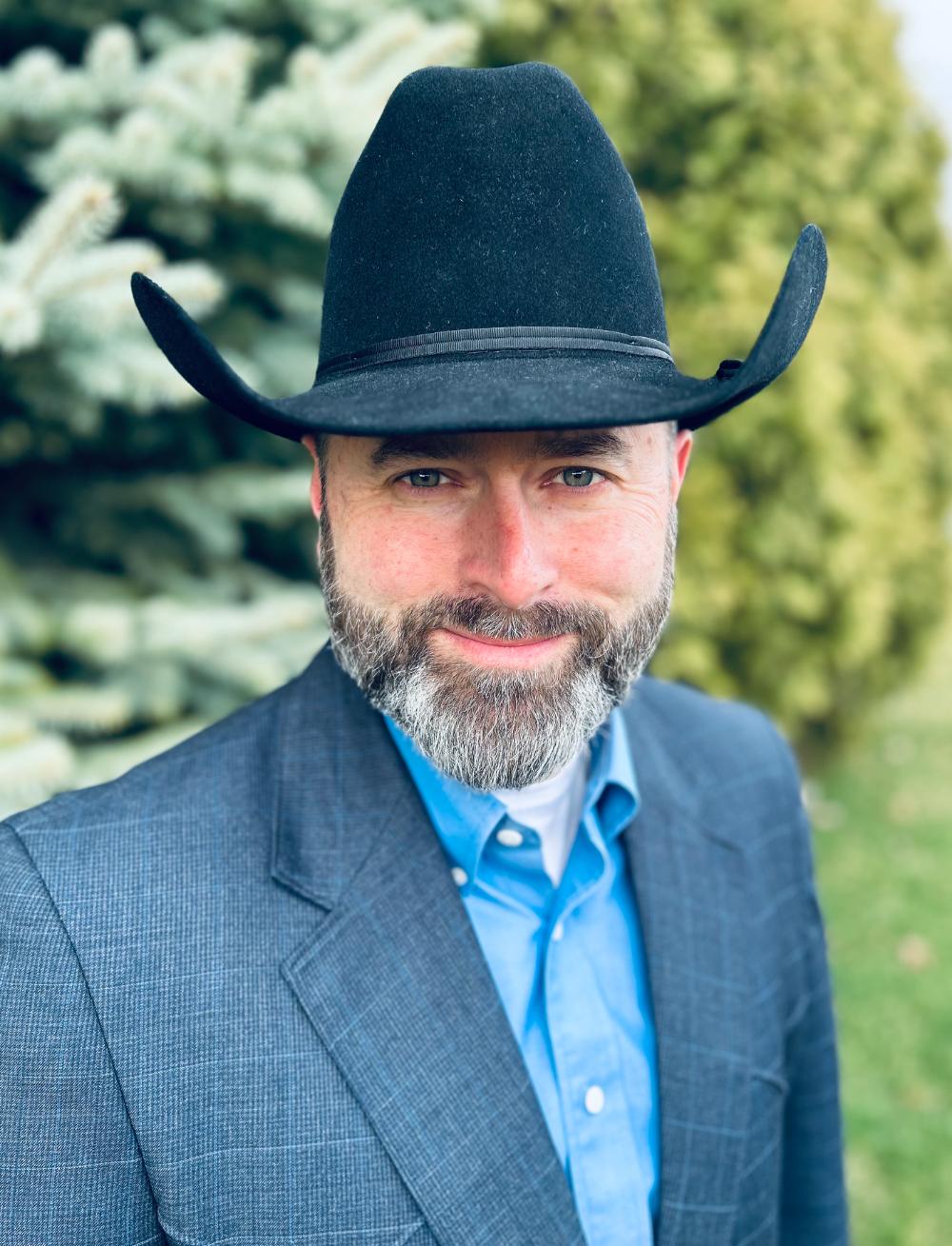
Dr. Matthew Cleveland, a geneticist by training, is passionate about using technology and innovation to create a more sustainable food supply. He currently leads Sustainability at ABS Global, a Genus plc company, a world leader in animal genetic improvement. Matthew is responsible for ABS’ overall beef and dairy sustainability strategy, including sustainability product development and positioning, for the global bovine business, to ensure ABS can continue to deliver more profitable and sustainable beef and dairy genetics to customers around the world. Matthew speaks extensively to technical and non-technical international audiences about the role of livestock production in sustainably feeding the growing demand for animal source proteins. He is currently on the Executive Committee of the Global Roundtable for Sustainable Beef and was previously on the board of the US Roundtable for Sustainable Beef. He has authored numerous papers related to innovation, genetic improvement and sustainability in livestock. Having previously led the global beef genetic program at ABS from 2014 to 2024, he also held roles in genetic and computational R&D. Matthew has a Ph.D. from Colorado State University, an MBA from the University of Wisconsin, and 20 years in the Genus business working in both PIC and ABS. He currently resides in Wisconsin.
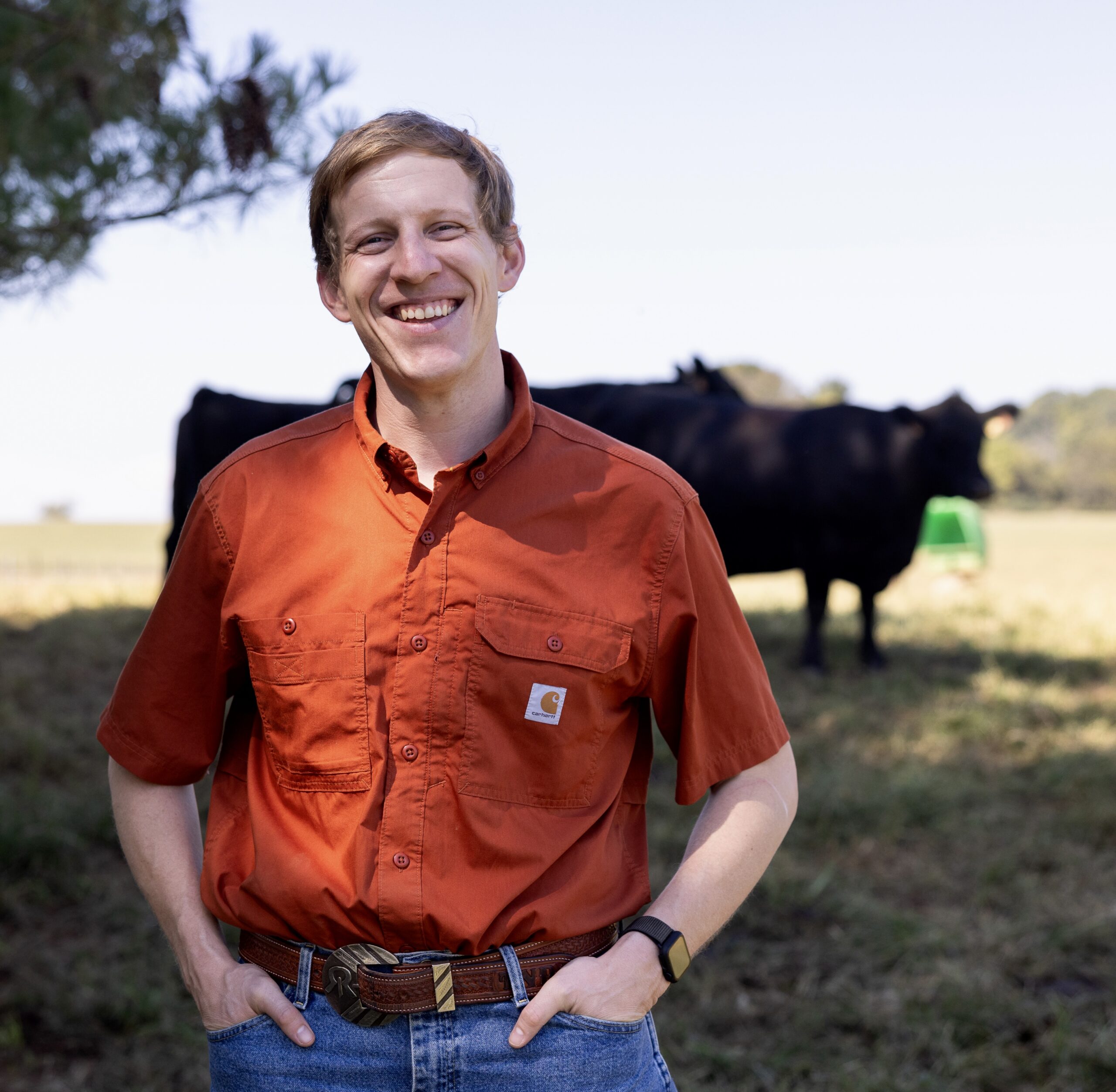
Troy Rowan is an Assistant Professor and Extension Specialist at the University of Tennessee Institute of Agriculture. Troy grew up on a purebred Charolais operation in Southwest Iowa, and has remained engaged in the beef industry since. He joined Tennessee’s faculty in 2021, where his research program is interested in developing genetic approaches to improve the efficiency and sustainability of beef cattle production. He is interested in deploying novel genomic technologies across the beef industry and working to develop innovative new phenotypes for genetic evaluations. Troy’s extension work supports the Tennessee Master Beef Producer Program and other national organizations, including the Beef Improvement Federation and the US Roundtable for Sustainable Beef.
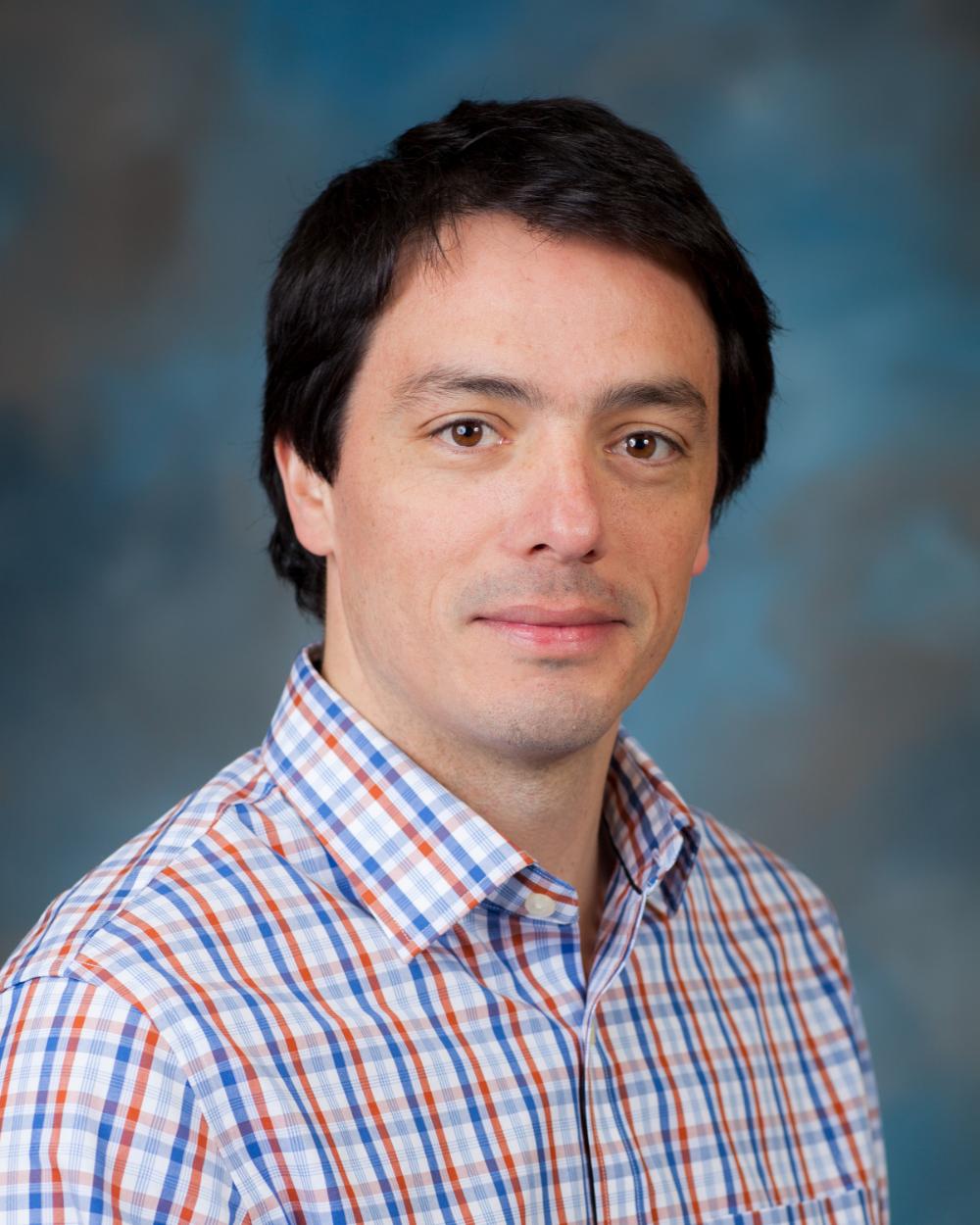
Dr. Francisco Peñagaricano is the Judge John J. Crown Chair in Dairy Genetics at the Department of Animal and Dairy Sciences, University of Wisconsin-Madison. His research focuses on developing and applying methods to understand, dissect, and predict economically relevant traits in dairy cattle. He focuses primarily on traits that affect the economic, environmental, and social sustainability of dairy farming, including fertility, health, resilience, feed efficiency, and methane emissions. He typically combines large, nationwide phenotypic datasets or field trials with high throughput genomic technologies, and advanced statistical and computational methods to elucidate the connection between genome to phenome. His research involves gene mapping, genomic prediction, multi-omics data integration, and network modeling.
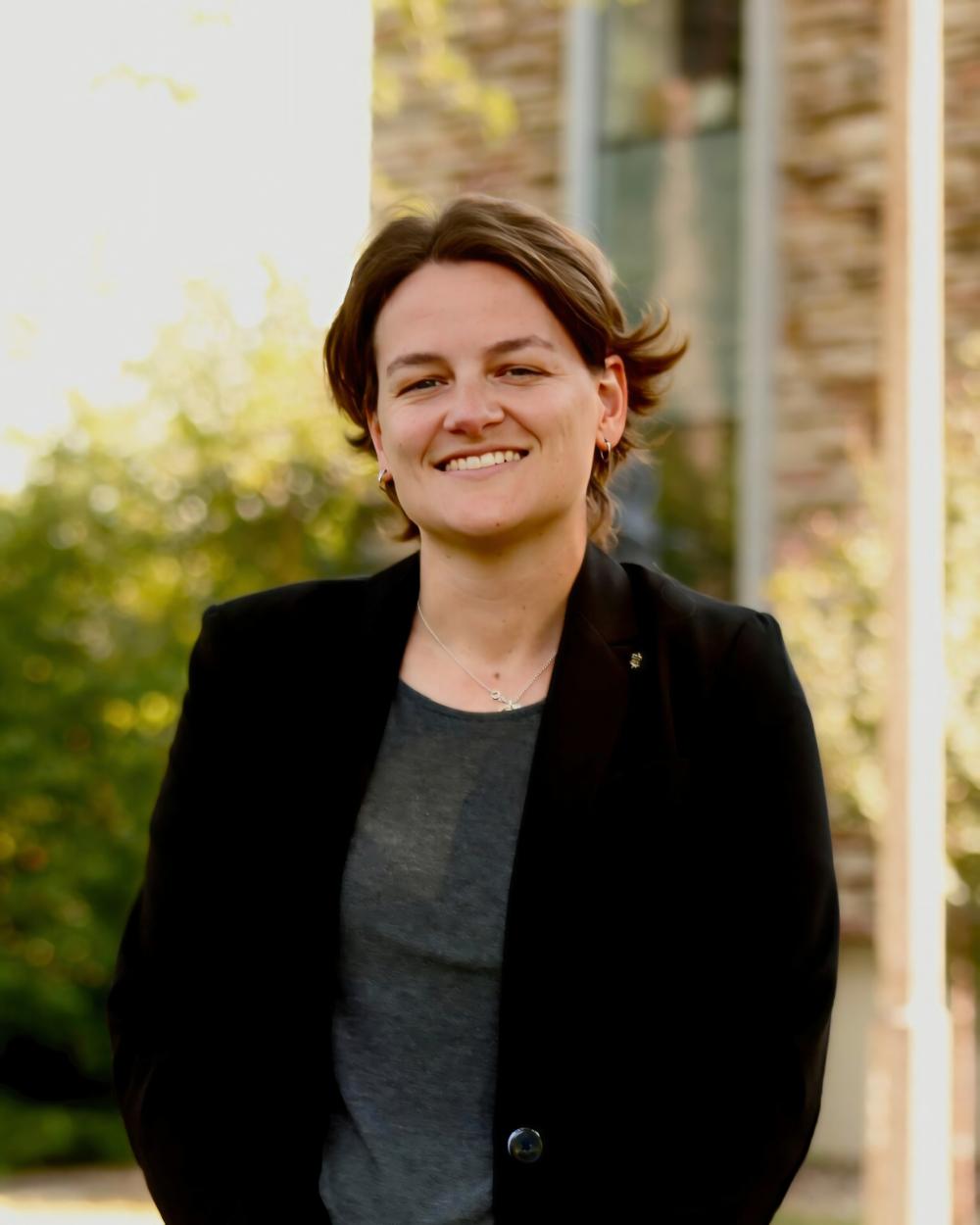
Dr. Sara Place is an expert in livestock systems sustainability with over a decade of experience in academia, industry associations, and private industry. Most recently, Sara has been the Chief Sustainability Officer at Elanco Animal Health where she provided technical expertise on sustainability issues to customers and supported Elanco’s Healthy Purpose. Prior to Elanco, she was the senior director for sustainable beef production research at the National Cattlemen’s Beef Association and an assistant professor in sustainable beef cattle systems at Oklahoma State University. She received her PhD in Animal Biology from the University of California, Davis, and a BS in Animal Science from Cornell University. Sara is a native of upstate NY where she grew up on a dairy farm.
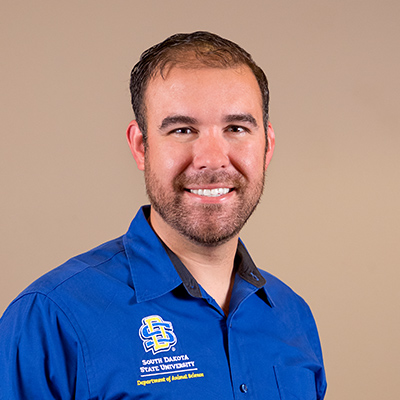
Dr. Hector Menendez is an Assistant Professor at South Dakota State University (SDSU), with a focus on complex grazing systems. He is housed at SDSU’s West River Research and Extension Center and focuses his research and extension programming on grazing beef cattle and bison systems in the western U.S. Dr. Menendez earned his B.S. and M.S. degrees from Sam Houston State University in 2010 and 2012, respectively, and his Ph.D. from SDSU in 2018. He gained postdoctoral experience from Texas A&M University and the USDA-ARS Dairy Forage Research Center before starting his faculty appointment at SDSU in the fall of 2020. Dr. Menendez has rapidly gained a national and international reputation for employing a systems-level approach to tackle the complex issues facing today’s livestock producers. Dr. Menendez develops and employs cutting-edge technologies to enhance his research. He additionally strives to ensure those same technologies can be feasibly used by producers to enhance their operations.
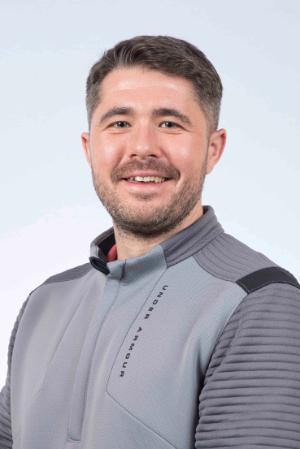
Paul is a Beef Research Scientist, based in Teagasc Grange in Ireland and is currently leading a multi-faceted research programme focused on developing strategies to reduce enteric methane emissions from cattle. After completing a Walsh Scholar PhD in 2021, with Teagasc and University College Dublin (UCD), titled “Understanding the interactive role of the rumen microbiome with diet and enteric emissions in cattle”, Paul undertook a Post-Doctoral Research position with Teagasc, before being appointed a permeant researcher in 2023. Prior to commencing his PhD, Paul completed his undergraduate studies, in Animal Science, at UCD and subsequently worked as an Agricultural Policy Officer for the Irish young farmer organisation, Macra na Feirme.
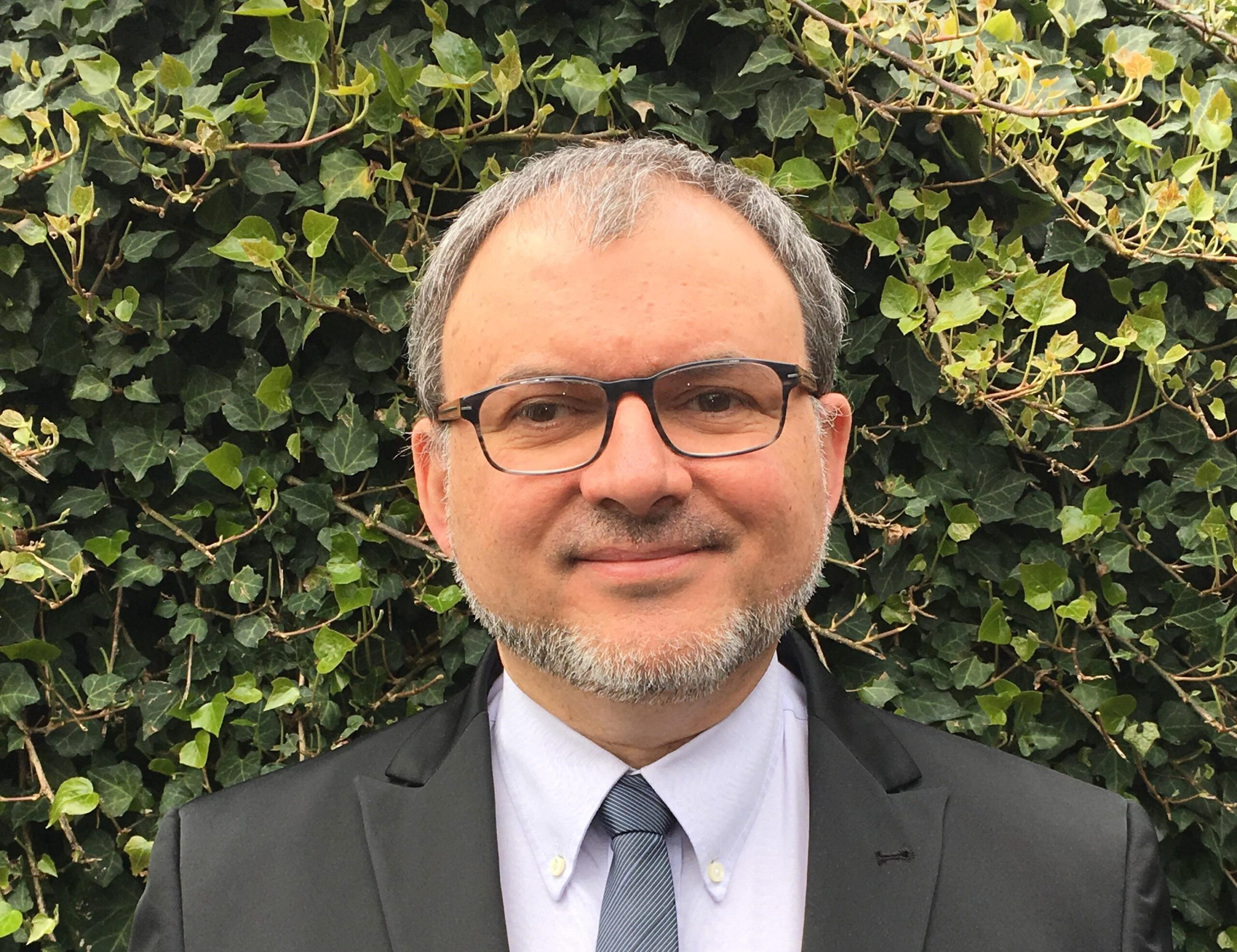
Dr. Nicolas Gengler is a Full Professor of Genetics, Genomics, and Numerical Modeling at Gembloux Agro-Bio Tech, University of Liège. His research focuses on developing and applying advanced statistical and computational methods to better understand and predict economically important traits in cattle, pigs, and other livestock species. He works closely with industry partners in Europe and North America, translating methodological advances into practical tools for breeding and management. He has spent time during and after his PhD at the University of Nebraska, Lincoln and at the University of Georgia, Athens and he is the recipient of the 2019 J.L. Lush Award in Animal Breeding and Genetics from the American Dairy Science Association (ADSA). Dr. Gengler is internationally recognized for his pioneering work on high-throughput phenotyping technologies, particularly milk mid-infrared (MIR) spectroscopy, which enables non-invasive monitoring of physiological and metabolic states related to feed efficiency, animal health, fertility, and methane emissions. He has also made significant contributions to the theoretical foundations and practical implementation of single-step genomic prediction. In Belgium, Dr. Gengler plays a leading role in applied research on Beef-on-Dairy systems, focusing on the use of genomic tools to optimize the use of Belgian Blue bulls on Holstein cows.
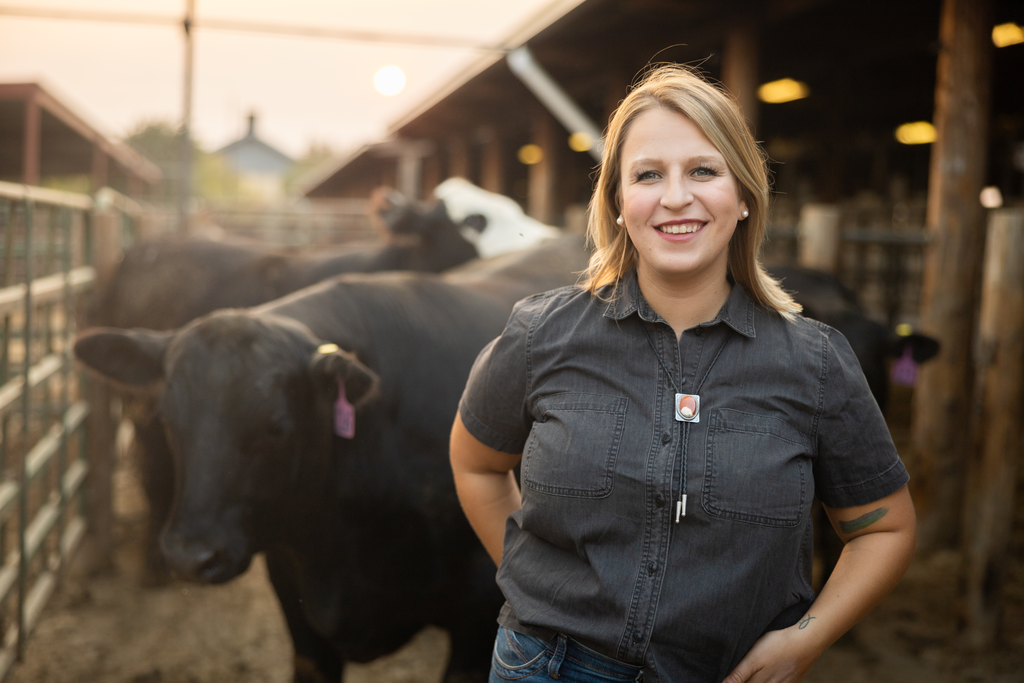
Dr. Meredith Harrison serves as Sr. Manager of Greenhouse Gas Program Analytics at Tyson Foods where she provides expertise in supply chain GHG accounting, life cycle assessments, and commercialization of sustainable meat proteins. Previously, Meredith worked as the Chief Scientific Officer at C-Lock Inc. Meredith received both her BSc and MSc in Animal Science from Colorado State University with a research focus in beef cattle production systems. Her PhD was earned from the University of California-Davis where her research focused on the application of mathematical models and precision livestock technologies in feedlot cattle production systems. Meredith has substantial experience with statistics, experimental design, data management, and modeling. She has developed models to predict methane emissions, dry matter intake, feedlot cattle growth and composition, and optimize profitability. Meredith believes in continuous improvement of livestock production efficiency and sustainability through technology, data, genetics, and management.
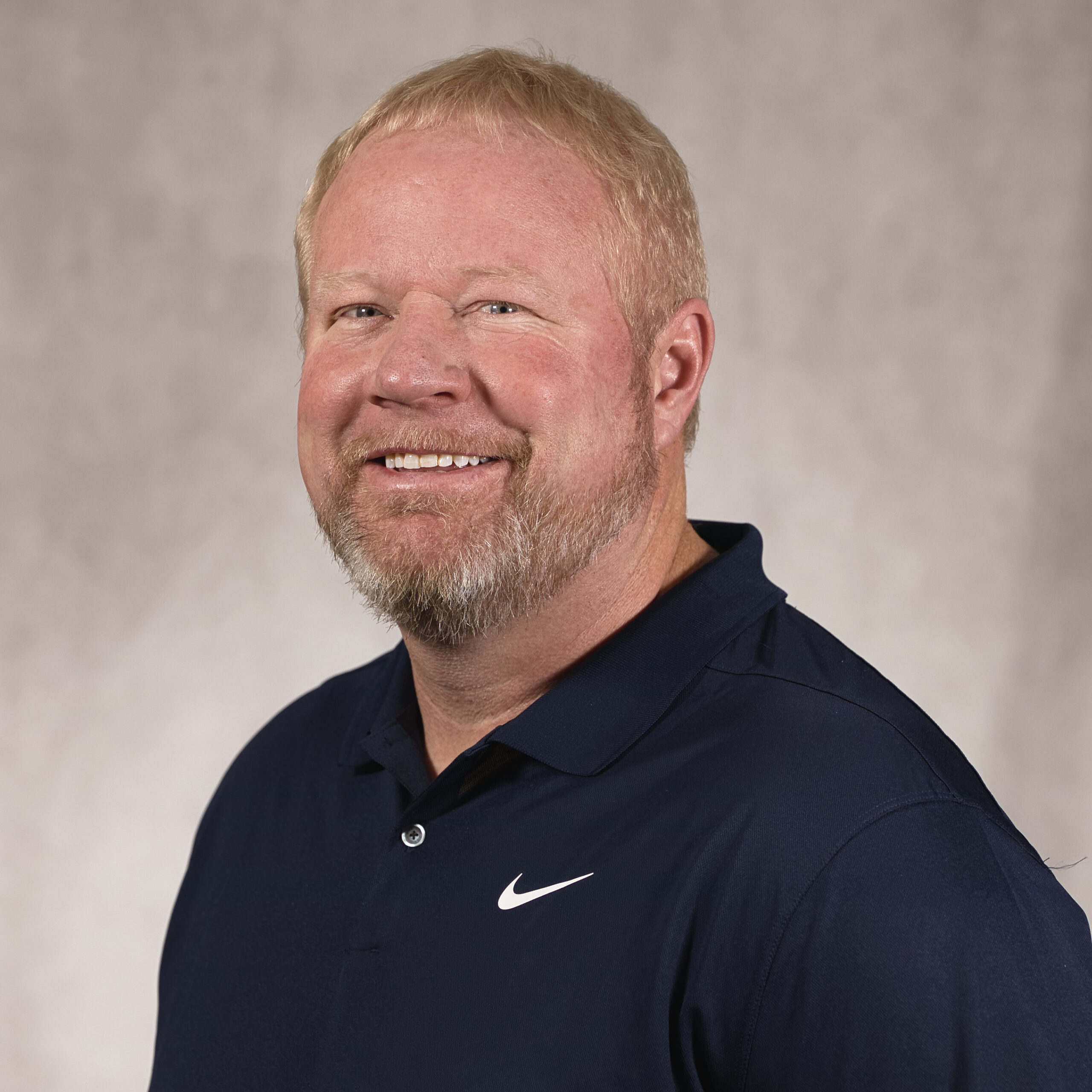
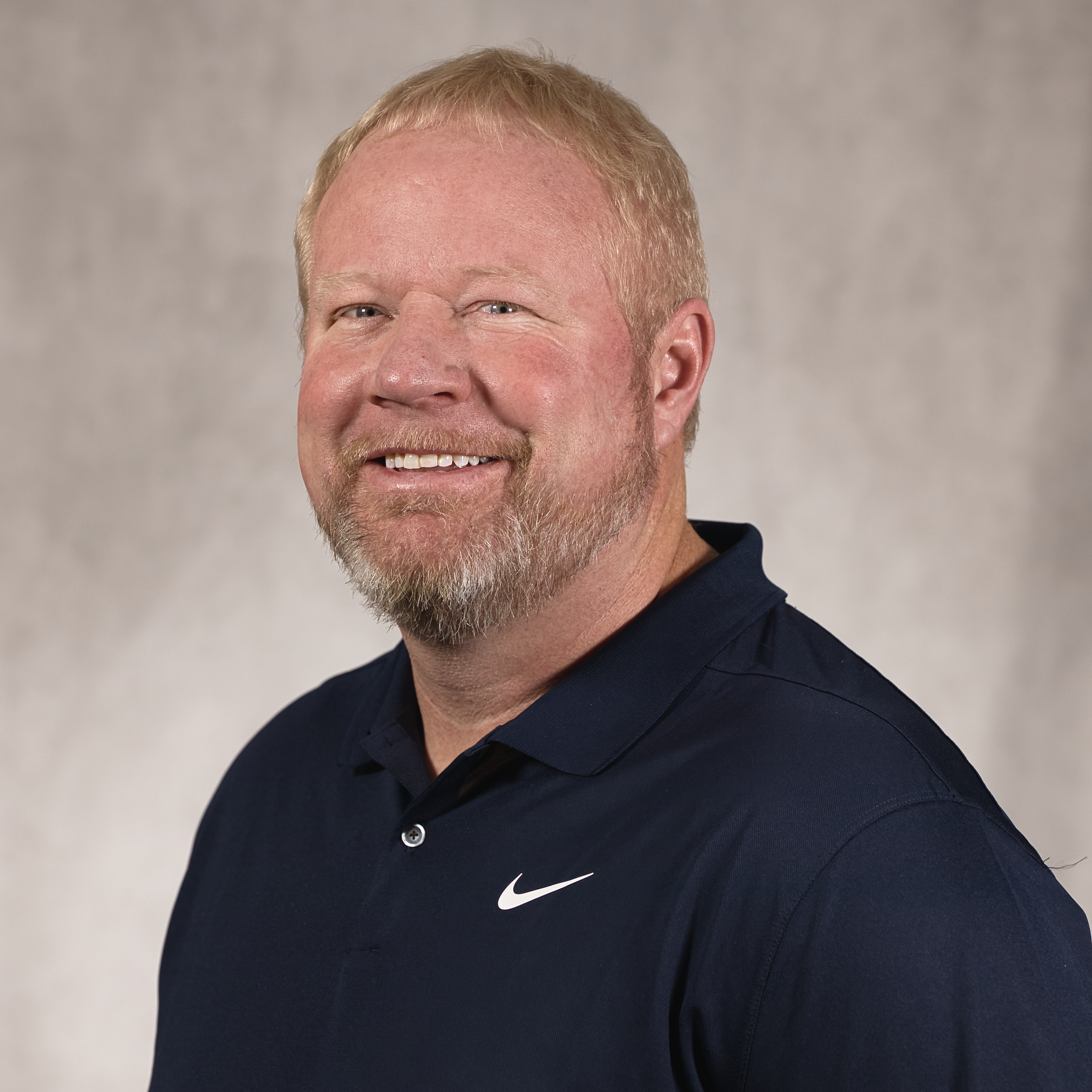
Brandon Peterson has spent his career advancing the livestock industry through genetics, nutrition, and precision technology. As Director of Global Sales for C-Lock Inc., he leads international business development for GreenFeed and SmartLine systems—tools that measure feed intake and emissions to improve efficiency and profitability in beef and dairy production worldwide.
Previously, Brandon held leadership roles with Trans Ova Genetics and HydroGreen Global, where he expanded market share, set global technical standards, and introduced systems that reduced environmental impact. He also managed Peterson Angus, a 350-cow registered herd recognized for genomic innovation and elite seedstock.
A South Dakota State University graduate in Animal Science, Brandon has spoken internationally on genetic progress, reproductive efficiency, and sustainable livestock systems. His mission is to help producers worldwide “identify, multiply, and measure” the traits that build better cattle and a more sustainable future.
Experience an exclusive look at the breakthroughs transforming beef cattle genetics and emissions research. At the C-Lock Symposium, you’ll connect directly with the scientists, industry leaders, and innovators driving progress across the global GreenFeed network.
The symposium fosters collaboration among experts striving for consistent, science-based standards in emissions measurement. Participants will have the opportunity to network, exchange knowledge, and strengthen partnerships within the C-Lock community.
Enhance your understanding of the genetic and environmental drivers behind sustainable beef systems. Participants will gain valuable knowledge to inform research, breeding, and management strategies that reduce emissions and improve efficiency.
Attendee Check-In, Badge & Registration Bag Pickup
Welcome! Dr. Patrick Zimmerman, CEO, C-Lock Inc.
Welcome Lunch – Introduction of C-Lock Team
Opening Remarks: Dr. John Pollak (1:15-1:30 PM) Goals and Objectives
Scott Zimmerman, President, C-Lock Inc.
Title: GreenFeed Projects Overview
Caleigh Iwanski, Graduate Research Assistant under Dr. Megan Rolf, Kansas State University
Title: From Measurement to Merit: Methane Data in Beef Cattle Genetic Prediction
Dr. Fran Cowley, Professor Livestock Production, University of New England
Title: Accounting for biology when interpreting GreenFeed data
Dr. Bob Weaber, Professor and Head, Eastern Kansas Research and Extension Centers, Kansas State University
Title: Standardization of sustainability phenotypes: the role of the Beef Improvement Federation
Ross Havens, Marketing Coordinator, Nichols Farms
Title: Collecting Phenotypes
Afternoon Break
Working Session – Table: How your group is using GreenFeed, test length, number of visits, other traits being collected, and which traits are being used or will likely be used in genetic evaluation, and whether this is or will be incorporated into an index.
Working Session – Panel: One Panel Lead from each table to share with everyone what was discussed.
Panel Leads: Dr. Sara Place, Dr. Hector Menendez, Dr. Francisco Penagaricano, Dr. Troy Rowan, Dr. Fran Cowley, Dr. Arjan Jonker
Dr. Arjan Jonker, Senior Scientist, New Zealand Institute of Bioeconomy Science at the Grasslands Research Centre
Title: Breeding low methane sheep, from research to implementation
Final Wrap-Up and Adjourn
Happy Hour Networking
Group Dinner at the hotel-Complimentary
Breakfast – Cook-to-order provided by hotel, served in the back atrium.
Opening Remarks: Scott Zimmerman, President, C-Lock Inc.
Recap of Day 1
Dr. Matthew Cleveland, Senior Director of Global Bovine Sustainability, ABS
Title: Scaling selection for sustainability traits through commercial beef breeding programs
Dr. Troy Rowan, Assistant Professor, University of Tennessee Institute of Agriculture
Title: Uncovering Molecular Phenotypes of Efficient Cows
Dr. Francisco Peñagaricano, Associate Professor, Judge John J. Crown Chair in Dairy Genetics, University of Wisconsin-Madison
Title: Breeding for more environmentally friendly dairy cows
Morning Break
Dr. Sara Place, Associate Professor of Feedlot Systems, AgNext – Colorado State University
Title: Overview of CSU AgNext research using GreenFeed to assess gas flux from beef cattle
Dr. Hector Menendez, Assistant Professor and SDSU Extension Livestock Grazing Specialist, South Dakota State University
Title: A Systems Thinking and Dynamics: Unpacking Complex Beef Phenotypes and Genetics
Dr. Paul Smith, Research Scientist, Teagasc
Title: Tiny but mighty – the contribution of the rumen microbiome to lowering enteric methane emissions.
Lunch (to be held in the atrium)
Working Session – Table: Opportunities with all the data being collected, and the major concerns that need to be addressed.
Working Session – Panel: One Panel Lead from each table to share with everyone what was discussed.
Panel Leads: Dr. John Pollak, Dr. Bob Weaber, Ross Havens, Dr. Matthew Cleveland, Dr. Paul Smith.
Dr. Nicolas Gengler, Full Professor of Genetics, Genomics, and Numerical Modeling at Gembloux Agro-Bio Tech, University of Liège
Title: Beef-on-Dairy: The Belgian Approach to Address Theoretical and Practical Challenges Using Genomics, Selection Index Theory, Infrared Spectroscopy and GreenFeed Systems
Dr. Meredith Harrison, Sr. Manager GHG Program Analytics, Tyson Foods
Title: Scoping Out supply Chain Emissions
Afternoon Break
Scott Zimmerman, President, C-Lock Inc.
Title: Concentration vs Fluxes for Phenotyping
Brandon Peterson, Director of Global Sales, C-Lock Inc.
Title: C-Lock Solutions Overview
Closing Remarks: Dr. John Pollak
Next steps and assign committees
Adjourn
Leave hotel
Arrive at the Climate-Smart Research Facility
Refreshments/Break
Tour
Travel back to hotel
The Platinum Sponsor receives premier visibility throughout the symposium. This includes acknowledgment as the Presenting Partner on all promotional materials, signage, and digital communications.
As the Happy Hour Networking sponsor, your company helps create a vibrant gathering that fosters meaningful connections while helping support the success of the overall program.
As a Break Sponsor, your organization provides attendees with a refreshing pause that enhances their experience and supports the success of the full event program.
Collaborator Sponsors help make the symposium possible and are recognized as key contributors to advancing emissions research and standardization.